
Fathers
Fathers is a photographic series examining the social and emotional consequences of paternal absence, dismissal, and disregard.
Each image features symbols and fathers from the community, photographed within soil partially buried, fragmented, or marked.
Titles are drawn from community conversations, reflecting phrases spoken about fathers or remembered by children. These statements are paired with research-informed statistics that point toward measurable outcomes linked to paternal involvement, structure, and care.
This series functions as a space for reflection, holding grief, accountability, and recognition alongside one another. It invites viewers to consider what remains when fatherhood is diminished, and what might change if it were intentionally restored.
We Can't Afford Much

-
Childless men earn significantly less than fathers.
I Wish I Had Someone to Play With

-
We see increases in academic achievement, behavioral and emotional regulation and cognitive development in children whose fathers play with them.
I Never Heard I'm Proud of You

-
An important tool to ensure a child has a strong sense of autonomy and competence is regular and sincere affirmations from a father, ideally their biological father. This tool gives children the ability to handle the challenges of life.
I Don't Feel Safe

-
Children are 33 times more likely to be physically and sexually abused when a stepfather or live-in boyfriend of the children's mother is present, as opposed to their biological father.
Brendan Won't Listen

-
Children with better behavioral, social, academic, and emotional outcomes tend to be raised by fathers with an authoritative parenting style (clearly lovingly setting boundaries and expectations).
They Were Always Fighting

-
High levels of conflict and animosity amongst parents have proven to lead to a higher risk of emotional and social behavioral problems in children. In addition, these conflicts contribute to a decline in concentration and academic achievement.
Tammy Keeps Crying
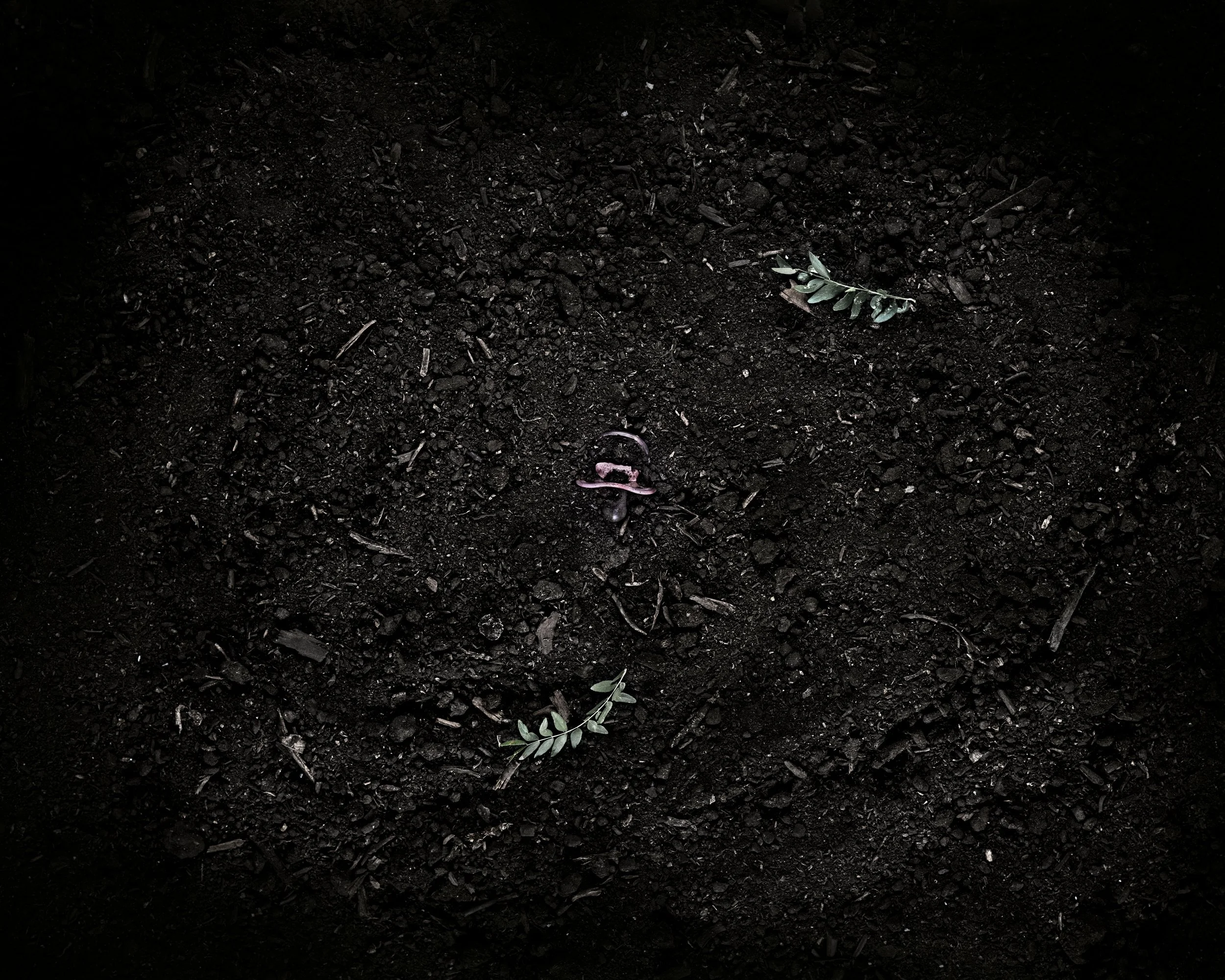
-
The comfort of a father is associated with a lower risk of infant cognitive delays and internalized behavioral issues later in life.
He's So Irresponsible

-
Fathers play a vital role in teaching their children to undertake age-appropriate tasks. Through observing their father's behavior, children can learn how to conduct themselves in a manner that is commendable and appropriate.
I Don't Know What to Do

-
One of the most important roles of a father is to provide guidance to their children. Children whose fathers are involved in their guidance have proven to have more developed social skills, self esteem and a stronger sense of self confidence and resilience.
She Hasn't Smiled in Weeks
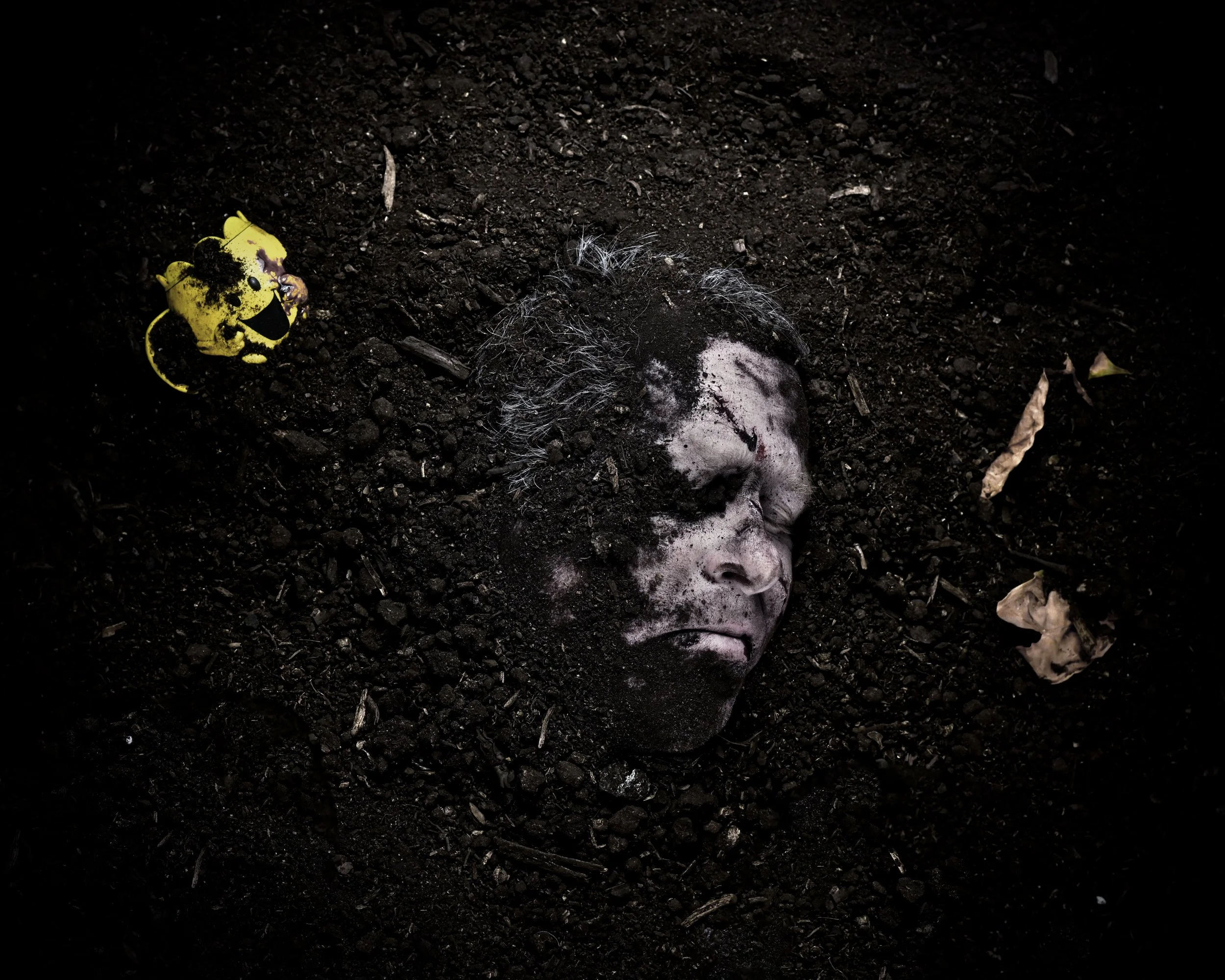
-
Daughters experience reduced psychological problems and rates of depression when their fathers are engaged in their lives.
It Feels Like Something's Missing
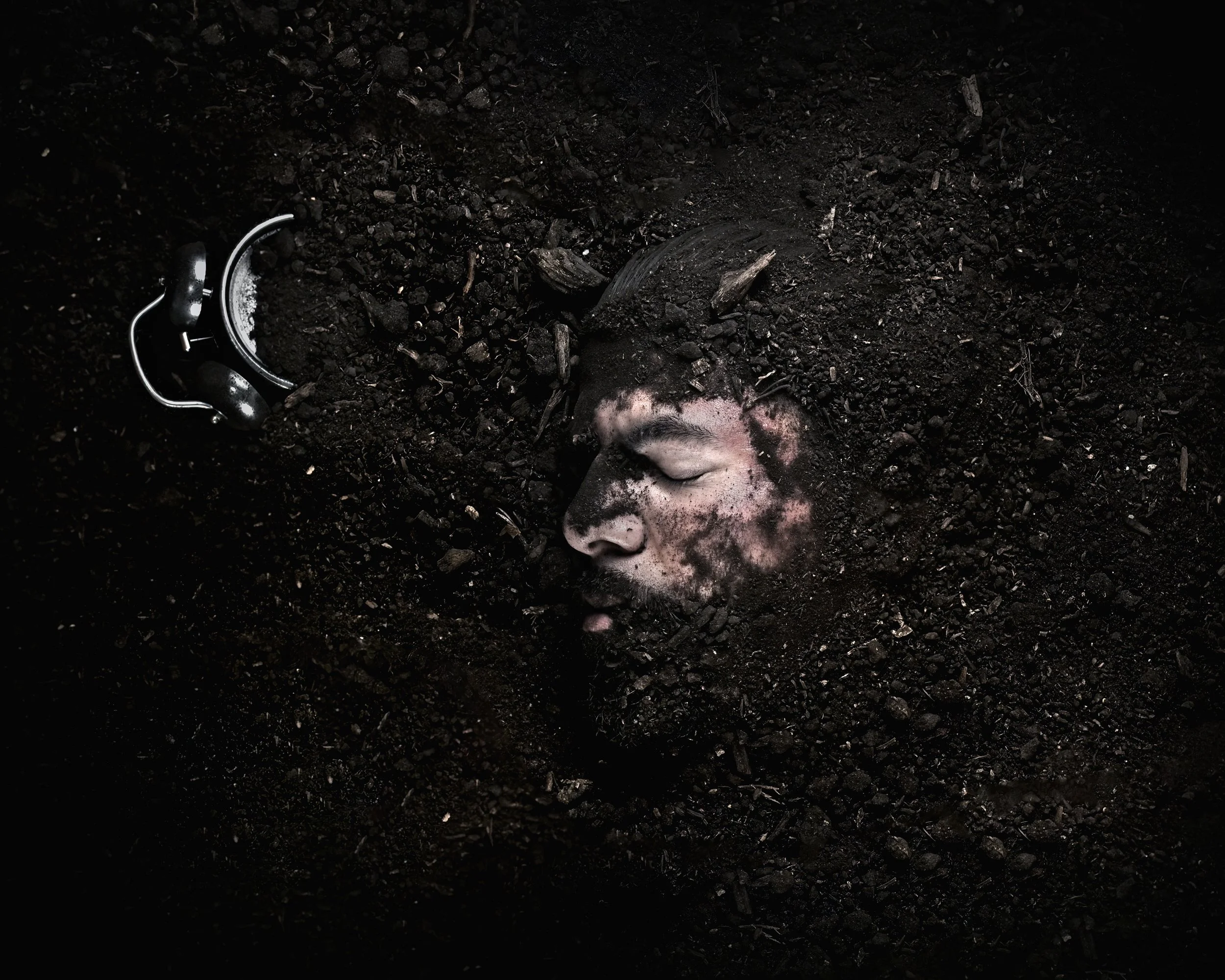
-
There is a positive correlation between high levels of father involvement and increased levels of sociability, confidence and self-control in children.
Statistics are drawn from a combination of peer-reviewed research, public health reporting, and community-informed data used for reflective purposes.
-
Curriculum (family studies, health/SEL), fatherhood programs, men’s mental health initiatives, community dialogues, DEI learning.
Formats
Exhibition with paired statistics, workshops with guided reflection, talks/panels, classroom guides, licensed imagery, pop-up/public installations.
-
Increased awareness of paternal influence in early childhood, language to address absence and presence, intergenerational dialogue, community engagement with fatherhood as identity and responsibility.