
Don’t Push Me
“Held past healing”
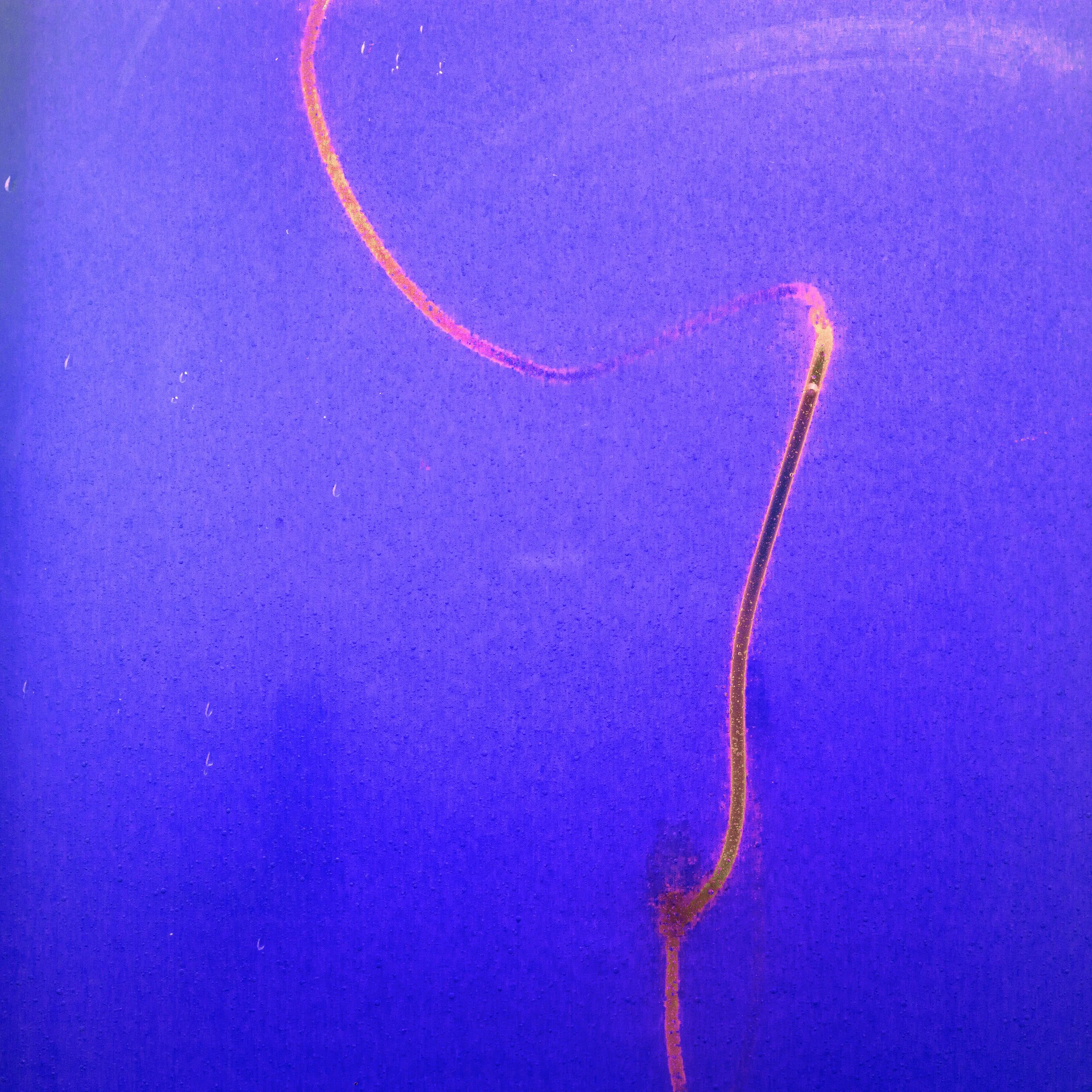
What happens when care stops feeling like compassion, and starts feeling like control?
-
Don’t Push Me explores the early thresholds where care, containment, and control blur. A single red line interrupting the composition, serves as both visual boundary and emotional trace. It marks a moment not of violence, but of subtle override: where agency is felt slipping away, even if language for it has not yet formed.
Positioned early in Feet to Foundation, this work helps establish the central tension: how the body, before it can speak, begins collecting experiences of tension, confusion, and restraint.
The image leans into minimalism, using color, negative space, and gestural subtlety to evoke a sense of both vulnerability and quiet defiance.
Don’t Push Me invites the viewer to reflect on how early impressions shape the body’s relationship to authority, especially in environments meant to nurture.
-
We may experience moments when care becomes corrupted, when something meant to protect ends up wounding us instead. Don’t Push Me stands in that moment of betrayal, where the soul falls from comfort, into tension.
In the Garden, the serpent twisted what was good. He hid rebellion and disguised it as wisdom, leading Eve away from freedom into fracture. It wasn’t the fruit that caused the destruction, but the distortion that led them away from what was pure.
And even after they fell, God didn’t force His way back in. He clothed them. He sought them. His presence was gentle, even in the presence of pain.
“The Lord is a refuge for the oppressed, a stronghold in times of trouble.” Psalm 9:9
Reflection Question:
Where have you felt the sting of something that was supposed to be good? And how might God be inviting you to trust in His voice, the one that truly heals without distortion?
-
Workshops: Art-making on resistance, pressure, and survival.
Therapeutic/Educational: Training on stress, anger, and boundary setting; relevant for addressing anxiety, burnout, and unresolved conflict.
Community Dialogue: Conversations on systemic pressure, resilience, and dignity.
Youth Engagement: Projects exploring personal boundaries and self-advocacy.
Wellness Spaces: Reflection prompts on pressure, defiance, and inner strength.