
Dance
"Too tender to hold."
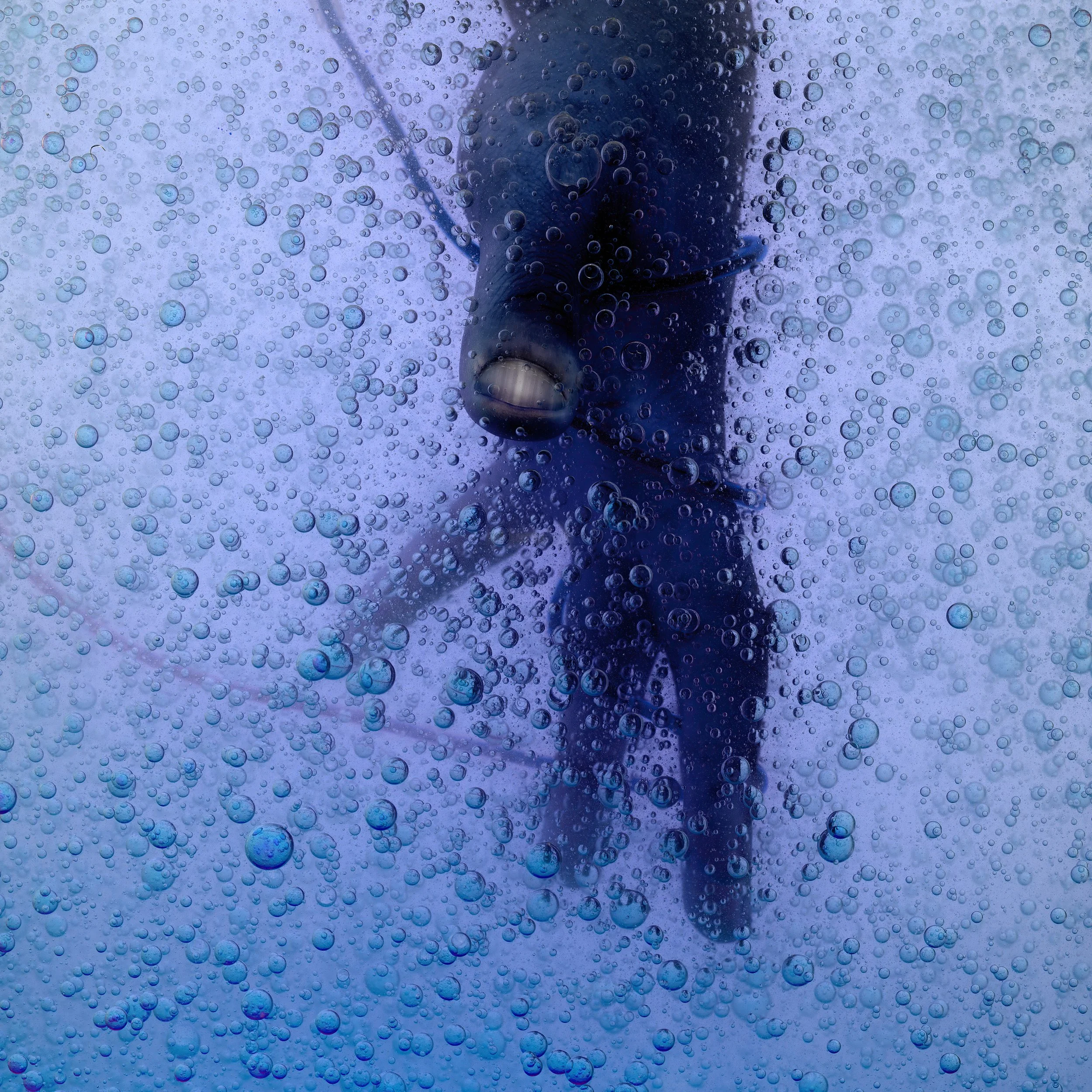
Wherever You Find
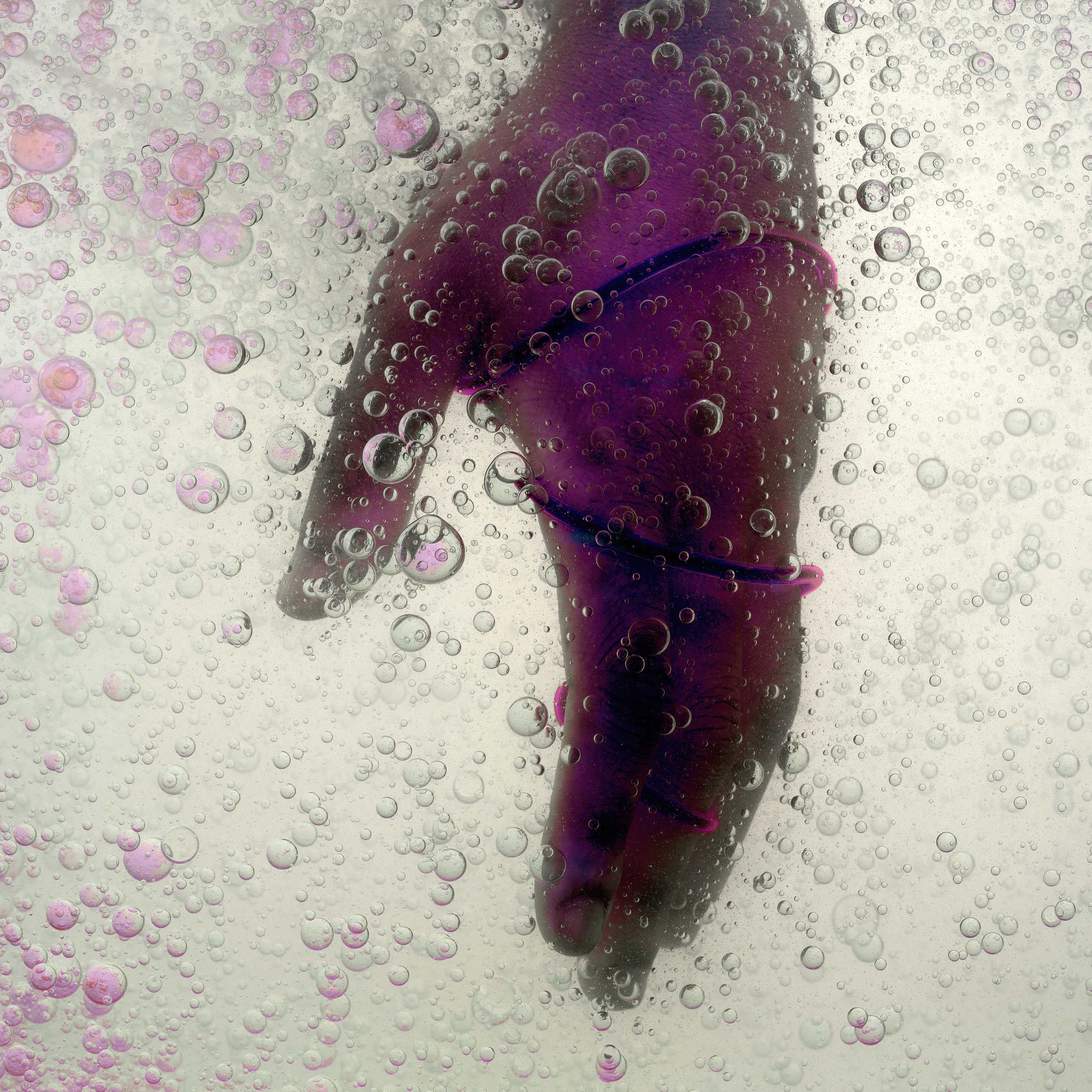
All I See
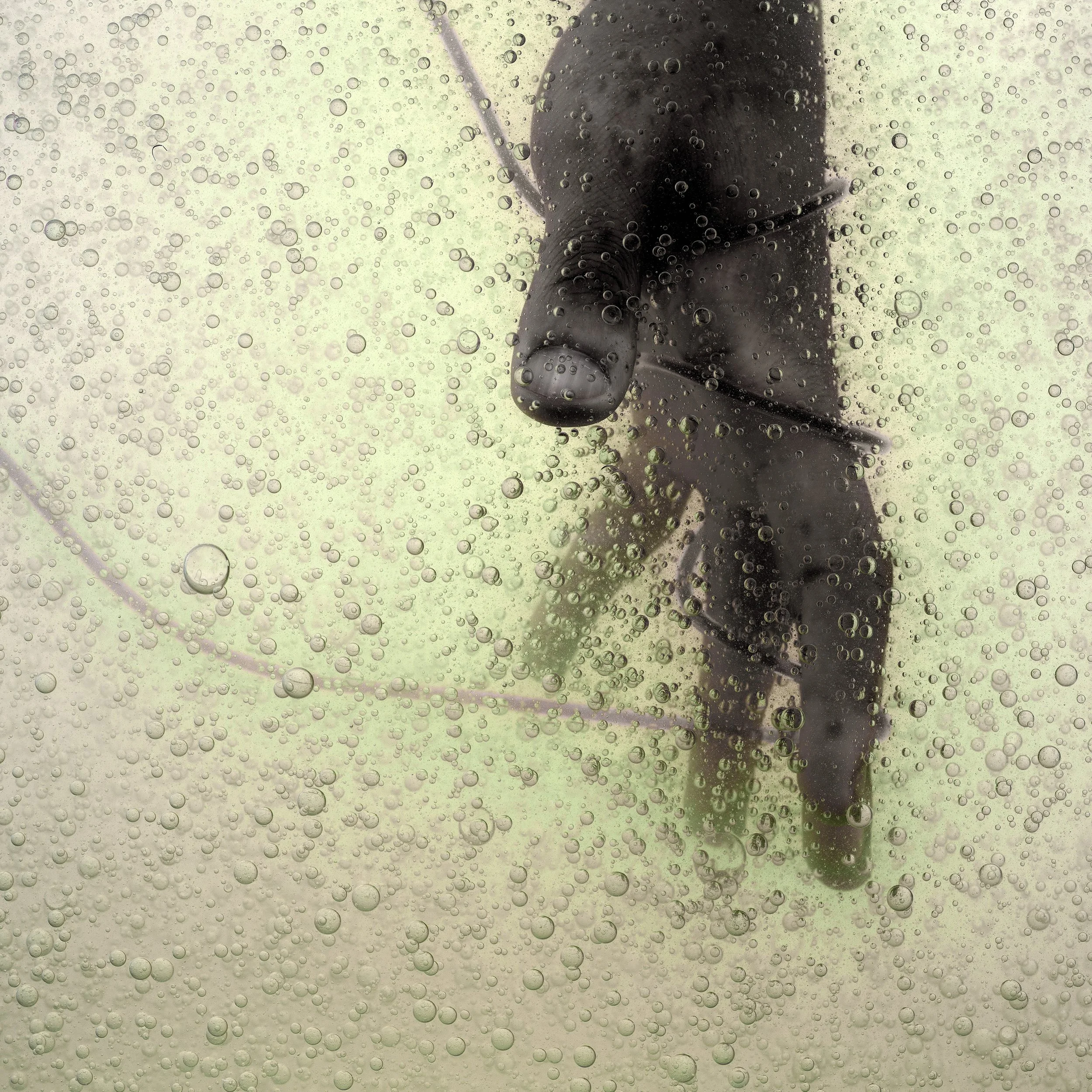
Floating On Air
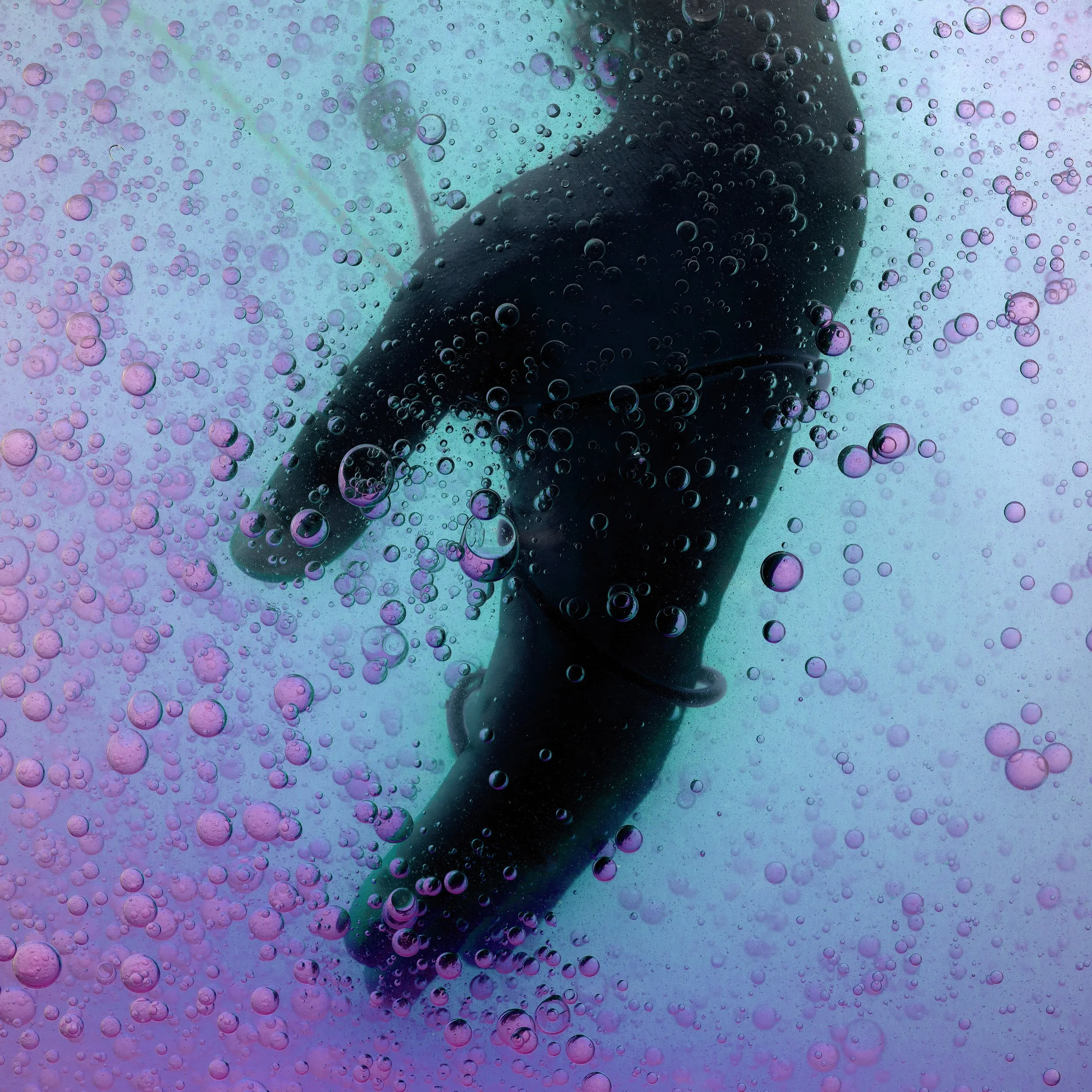
In Your Dreams
How do you hold someone without reopening your own wounds?
Dance explores the rhythms of relationships shaped by shared wounds. When pain is mirrored, it can often create a powerful sense of recognition, but also risk deeper hurt. The closer the connection, the sharper the edges can become.
This piece moves through mirrored gestures and subtle shifts, tracing a quiet choreography of intimacy and retreat. It reflects the delicate balance of loving while healing, and the tension between comfort and self-protection.
What if love doesn’t heal the wound, but shows you how deep yours really are?
-
Dance presents a lyrical sequence of paired images, evoking the ebb and flow of intimate relationships shaped by unresolved wounds. The mirrored hand gestures and subtle shifts in movement invite the viewer to trace a choreography of longing, tension, and tenderness. These gestures do not speak loudly; rather, they echo the quiet weight of loving while hurting.
In this series, relationships born from shared pain are explored, where there’s a vulnerability in being seen, and an ache when the closeness begins to cut. The suspended limbs feel caught mid-reach, as if seeking comfort and recoiling from it in the same breath.
What emerges is not just a portrait of romantic entanglement, but of emotional rhythm: the cycles we repeat, the spaces we try to create for love amidst our fractures. In Dance, the hand becomes both offering and shield, a visual reminder of the delicate balance between intimacy and self-preservation.
-
Some relationships feel like refuge, until they don’t. We come together carrying past wounds, hoping shared pain will translate to deep understanding. Sometimes it does. But other times, the very cracks we reach for end up wounding us further. Dance reminds us that intimacy without healing can become entanglement, that passion born of pain often burns unevenly.
God calls us to love with compassion, patience, and truth, but also with discernment. His love doesn’t demand we bleed for connection; it invites us to step into relationships that reflect His grace, not just our brokenness.
“Above all, put on love, which binds everything together in perfect harmony.” Colossians 3:14
Reflection Question:
Are there places in your relationships where shared pain has replaced shared purpose, and how might God be inviting you to love from a healed heart instead of a hurting one?
-
Workshops: Art-making on intimacy, cycles, and pain.
Therapeutic/Educational: Training on relational wounds; relevant for addressing toxic cycles, codependency, and longing.
Community Dialogue: Conversations on love shaped by trauma.
Youth Engagement: Projects exploring safe vs. unsafe relationships.
Wellness Spaces: Reflection prompts on tenderness, hurt, and release.