
Clay
“Caught young, carried long.”
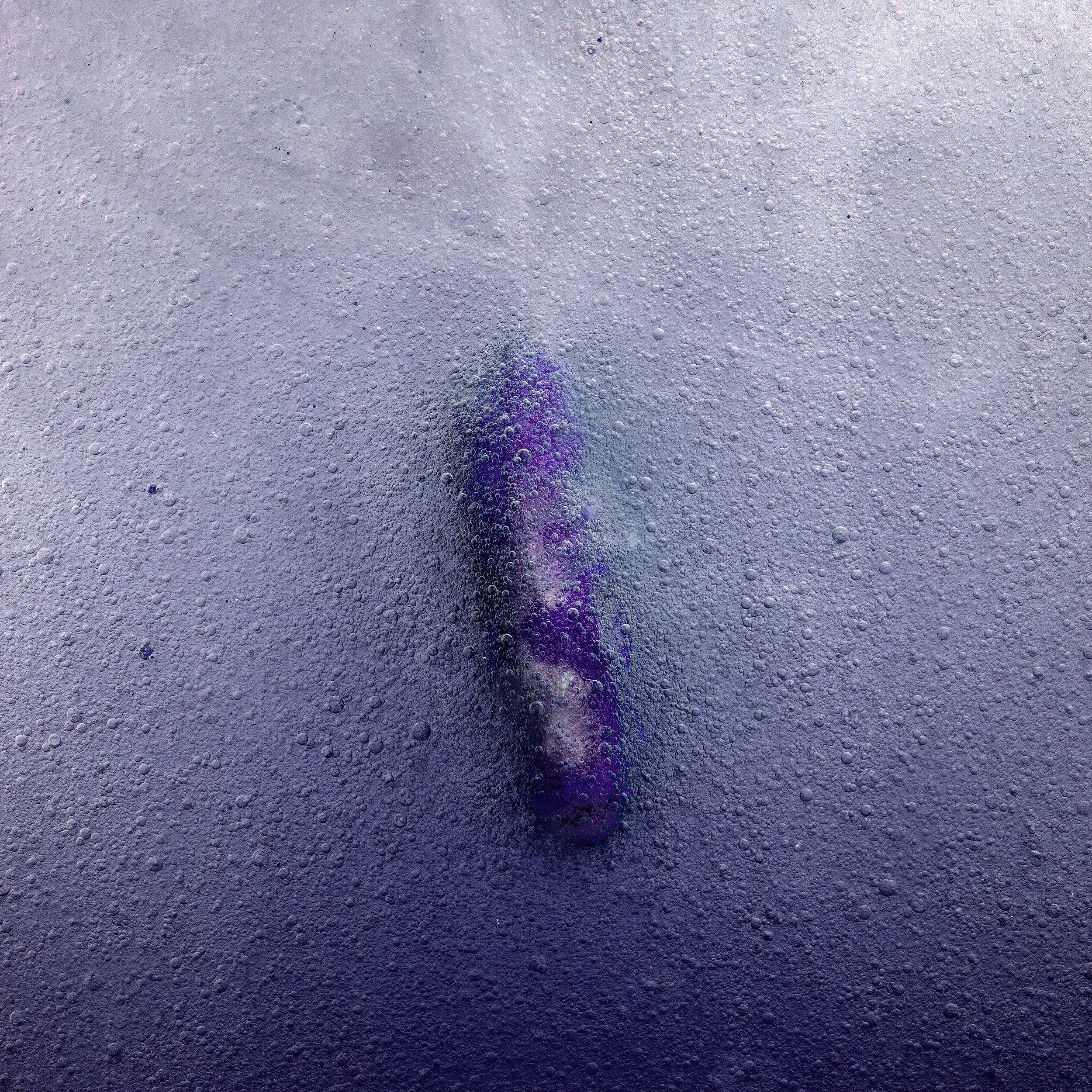
Melancholy
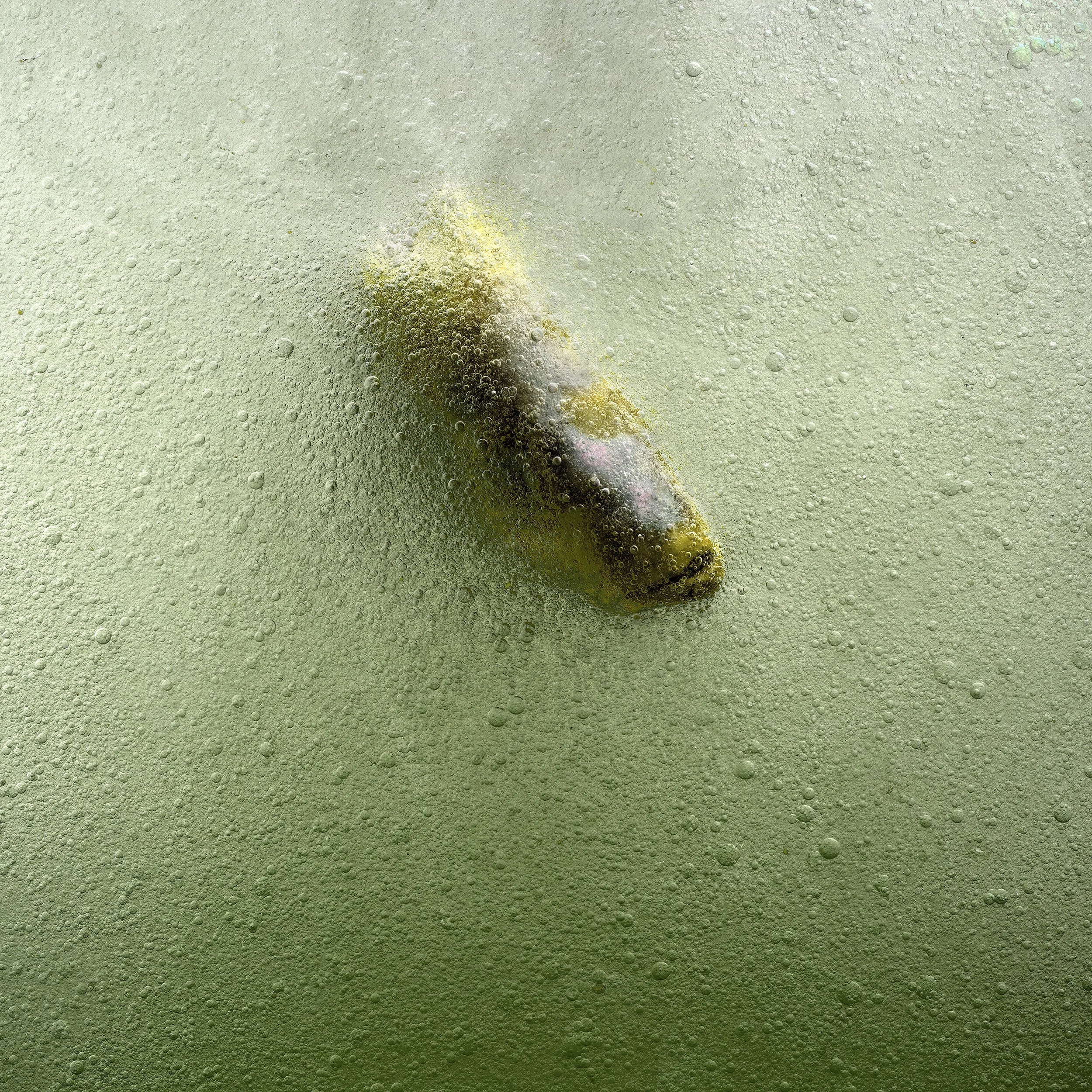
Sinking
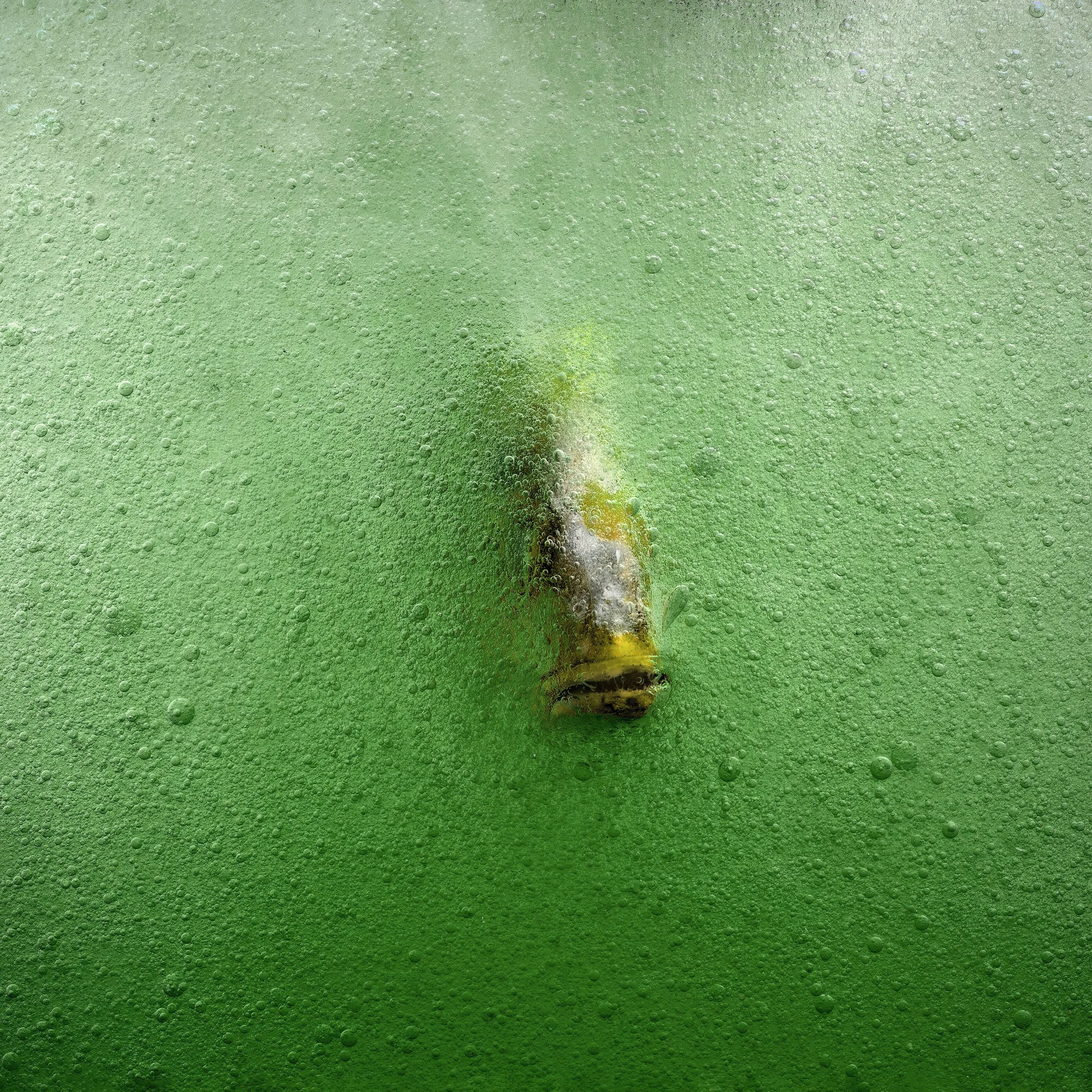
Discovery
Survival is instinct, but what if the things that once protected me now hold me back?
Clay revisits the quiet rituals of childhood coping, the things we reach for when the world feels too loud, too uncertain. These forms speak to strategies we learned in isolation, coping habits that, while once essential, may now inhibit connection. Over time, those instincts solidify, shaping how we engage, retreat, or protect.
-
Clay draws us into a fragile ecosystem, emotional, cultural, and biological. Suspended in dense textures and subdued color fields, each snapper form is more than a visual anchor; it is a vessel of memory, shaped by early attempts at understanding love, loss, and responsibility.
These aren’t just images of fish. They are emblems of a child’s effort to make sense of pain, to carry emotional weight without tipping the scale. The use of snapper, a staple in Caribbean life, nourishment, and ritual, evokes tradition, but here, the fish appear removed from their context. They are displaced, like a child adapting to adult environments far too soon.
Melancholy casts the fish in a haze of violet, a visual echo of grief, quieted but present. Sinking reveals a faded yellow form, nearly merging with its background, suggesting emotional suppression and the slow descent into self-erasure. Discovery reintroduces color and contrast, a signal of reflection, or perhaps the beginning of transformation.
Rather than offering answers, Clay raises questions about what gets buried, what gets carried, and how early survival strategies calcify into adult behavior. This is not a series about pathology, it’s about pattern. And more importantly, it’s about the possibility of reshaping.
-
God saw you then, and He sees you now.
Not just the child trying to stay small to keep others from breaking, but the adult still shaped by that silence. In His eyes, your worth was never tied to how much you could hold in or how well you could adapt. He was there in the hospital rooms, on the shoreline, and in the ache you couldn’t name.
Our survival patterns may have kept us safe for a time, but God never meant for them to become our identity. What was formed in fear, He longs to remake in freedom. What eroded under pressure, He can restore with care.
“Do not conform to the pattern of this world, but be transformed by the renewing of your mind.” Romans 12:2 (NIV)
God is not asking you to become someone else. He’s inviting you to return to the person He always saw beneath the coping. He doesn’t discard the clay. He reshapes it, with gentleness, intention, and grace.
Reflection Question:
What part of your past are you still shaped by, and how are you allowing God to reshape it?
-
Workshops: Creative sessions on memory, survival patterns, and transformation.
Therapeutic/Educational: Training on early coping strategies and adaptation; relevant for addressing childhood trauma, loss, and resilience.
Community Dialogue: Conversations on adaptation, resilience, and cultural survival.
Youth Engagement: Projects exploring how children interpret love, loss, and responsibility.
Wellness Spaces: Guided reflections on what we bury, carry, and reshape.